


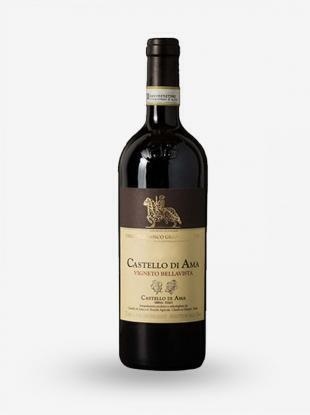
CHIANTI CLASSICO DOCG 2013 G.S. BELLAVISTA AMA LT. 1,500
CHIANTI CLASSICO DOCG 2013 G.S. BELLAVISTA AMA LT. 1,500
€ 780,00
Code
CASTELLODIAMA90
Alternative Code:
Goods Category:
Tuscany
Unit of Measurement:
NR
Vintage:
2013
Producer:
CASTELLO DI AMA
Grape variety:
80% SANGIOVESE, 20% MALVASIA NERA
-
Out of Stock
PRODUCT INFORMATION
The Bellavista Vineyard covers an area of ??22.82 hectares; 9.30 hectares were replanted between 1974 and 1978, while 13.52 hectares were replanted in 2007. We have enhanced the vineyard through terracing, which ensures better exposure and more uniform ripening. The vineyard is divided into 22 plots. In exceptional vintages, plots 1 and 19 (for Malvasia Nera) and plots 21 and 22 (for Sangiovese) are the ones that primarily contribute to producing this vineyard selection.
CLIMATE
The 2018 wines will be fruity—thanks to significant day-night temperature fluctuations in autumn that fostered aroma development—and will possess good freshness and satisfying alcohol levels. The polyphenolic profile deserves special mention: these are wines of great breeding—elegant, powerful, and full-bodied. In short, exactly the kind of wines we have always loved. Following extensive sampling and organoleptic analysis in both the vineyard and the laboratory, the harvest was carried out by hand using 10–12 kg crates, beginning on August 29 and concluding on October 15.
VINIFICATION
Fermentation was driven by indigenous yeasts and conducted separately by variety in temperature-controlled steel tanks (30–33°C). Manual pump-overs were performed, with a total maceration period (*cuvaison*) of 22 days for the Sangiovese and 26 days for the Malvasia Nera. After racking, the wine underwent malolactic fermentation in barriques. MATURATION
Following malolactic fermentation, the two varieties were blended. The wine was then transferred to fine-grained oak barriques—40% new and the remainder one-year-old—and aged for approximately 14 months.
CLIMATE
The 2018 wines will be fruity—thanks to significant day-night temperature fluctuations in autumn that fostered aroma development—and will possess good freshness and satisfying alcohol levels. The polyphenolic profile deserves special mention: these are wines of great breeding—elegant, powerful, and full-bodied. In short, exactly the kind of wines we have always loved. Following extensive sampling and organoleptic analysis in both the vineyard and the laboratory, the harvest was carried out by hand using 10–12 kg crates, beginning on August 29 and concluding on October 15.
VINIFICATION
Fermentation was driven by indigenous yeasts and conducted separately by variety in temperature-controlled steel tanks (30–33°C). Manual pump-overs were performed, with a total maceration period (*cuvaison*) of 22 days for the Sangiovese and 26 days for the Malvasia Nera. After racking, the wine underwent malolactic fermentation in barriques. MATURATION
Following malolactic fermentation, the two varieties were blended. The wine was then transferred to fine-grained oak barriques—40% new and the remainder one-year-old—and aged for approximately 14 months.
REVIEW THE PRODUCT
Login to read the reviews and write your own -- Proceed to LOGIN
RECENTLY VIEWED


