


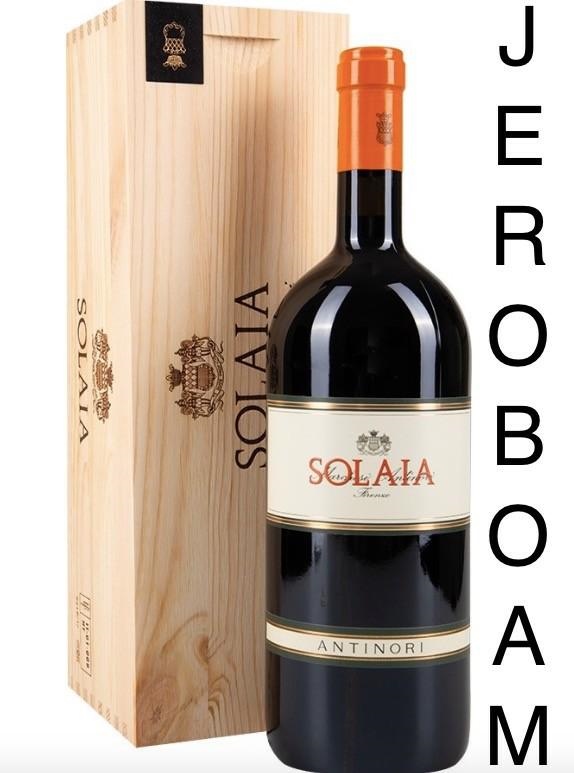
TOSCANA ROSSO IGT 2015 SOLAIA ANTINORI LT 3,000
TOSCANA ROSSO IGT 2015 SOLAIA ANTINORI LT 3,000
€ 4.150,00
Code
ANTINORI132
Alternative Code:
8881935001094
Goods Category:
Tuscany
Unit of Measurement:
NR
Vintage:
2015
Producer:
ANTINORI
Grape variety:
75% Cabernet Sauvignon,20% Sangiovese, 5% Cabernet Franc.
-
PRODUCT INFORMATION
Climate:
The season was characterized by a mild autumn and winter
with little rainfall,
conditions that favored a slightly earlier bud break
than in previous years. The
spring and therefore growing season saw
the onset of difficult weather conditions, with
frequent rains until the end of May; this
caused a slowdown in plant growth
without, however, compromising their health. The months of June
and July, on the other hand, were very hot, and only in August
did some rains help the plants to
proceed regularly with their growing
and production process. The months of September and October
were very favorable for harvesting,
thanks also to the temperature variations between day and night,
which allowed for optimal conditions for the quality of the
grapes. The Sangiovese was harvested in the last ten days of
September, while the Cabernet was
harvested until mid-October; From the very beginning of the winemaking process, we could appreciate
musts with very interesting flavors and colors, which
augured an excellent vintage.
Page 1 of 2
Solaia / 2008
Winery:
The favorable climatic conditions during the harvest period allowed for
targeted harvesting operations in the Solaia vineyard, based on the optimal ripeness of the grapes and the
different exposure and vigor of the different vineyard parcels. Therefore, each
plot was harvested separately by hand and placed in crates and vinified in 60-hl truncated conical tanks.
Once they arrived at the cellar, the grapes were delicately destemmed and the
berries were carefully hand-sorted with the aim of ensuring the highest quality in the tank.
During the vinification process, great care was taken during the fermentation and extraction phases, performing
gentle punching down and delestage to preserve the varietal aromas and the high color content of the
berries. Thanks to the unique truncated cone shape of the fermenters, the extraction of
elegant and sweet tannins was enhanced for all three varieties—Sangiovese, Cabernet Sauvignon, and Cabernet Franc.
Fermentation was conducted at an average temperature of 27°C, never exceeding 31°C,
to maximize the aromatic sensations and fruit character that are so present in the grapes. The
musts immediately demonstrated great potential in color, structure, and varietal character.
After racking, which occurred following a maceration period of three to four weeks,
the wines were placed in used oak barriques, with the successful goal of completing
malolactic fermentation by the end of the year. During the aging period, which took place in
new French oak barrels and lasted approximately 18 months, the different lots of wine were aged
separately, and constant tasting allowed us to evaluate and maximize the maturation in
barriques, with the aim of enhancing, in addition to the structure, the elegance and sweetness of the tannins. The wine was
finally blended and bottled on the estate and aged for a year in bottle before being
released. Alcohol: 14%
Historical data:
Solaia is a vineyard of approximately 20 hectares with a southwest exposure, between 350 and 400 meters above sea level, on a
calcareous, rocky soil with alberese rock, located at Tenuta Tignanello. Marchesi Antinori
produced this wine for the first time with the 1978 vintage; The initial blend was 80% Cabernet
Sauvignon and 20% Cabernet Franc, a process repeated in 1979. In subsequent vintages,
20% Sangiovese was introduced, and some adjustments were made to the ratio of Cabernet
Sauvignon and Cabernet Franc, until reaching the current blend. Solaia is produced only
in exceptional years and was not produced in 1980, 1981, 1983, 1984, and 1992.
Tasting notes:
The wine presents a high intensity of color, which immediately makes it rich and
important.
On the nose, it is dense, complex, and full of varietal and fruity aromatic sensations, including
notes of cherry, black cherry, and ripe red fruits, culminating in a finish of licorice, coffee, and sweet
toast. On the palate, the tannins are soft and well-balanced. The wine is savory, minerally, yet smooth;
the finish evokes sweet notes of cocoa, vanilla, and red and black fruits.
The season was characterized by a mild autumn and winter
with little rainfall,
conditions that favored a slightly earlier bud break
than in previous years. The
spring and therefore growing season saw
the onset of difficult weather conditions, with
frequent rains until the end of May; this
caused a slowdown in plant growth
without, however, compromising their health. The months of June
and July, on the other hand, were very hot, and only in August
did some rains help the plants to
proceed regularly with their growing
and production process. The months of September and October
were very favorable for harvesting,
thanks also to the temperature variations between day and night,
which allowed for optimal conditions for the quality of the
grapes. The Sangiovese was harvested in the last ten days of
September, while the Cabernet was
harvested until mid-October; From the very beginning of the winemaking process, we could appreciate
musts with very interesting flavors and colors, which
augured an excellent vintage.
Page 1 of 2
Solaia / 2008
Winery:
The favorable climatic conditions during the harvest period allowed for
targeted harvesting operations in the Solaia vineyard, based on the optimal ripeness of the grapes and the
different exposure and vigor of the different vineyard parcels. Therefore, each
plot was harvested separately by hand and placed in crates and vinified in 60-hl truncated conical tanks.
Once they arrived at the cellar, the grapes were delicately destemmed and the
berries were carefully hand-sorted with the aim of ensuring the highest quality in the tank.
During the vinification process, great care was taken during the fermentation and extraction phases, performing
gentle punching down and delestage to preserve the varietal aromas and the high color content of the
berries. Thanks to the unique truncated cone shape of the fermenters, the extraction of
elegant and sweet tannins was enhanced for all three varieties—Sangiovese, Cabernet Sauvignon, and Cabernet Franc.
Fermentation was conducted at an average temperature of 27°C, never exceeding 31°C,
to maximize the aromatic sensations and fruit character that are so present in the grapes. The
musts immediately demonstrated great potential in color, structure, and varietal character.
After racking, which occurred following a maceration period of three to four weeks,
the wines were placed in used oak barriques, with the successful goal of completing
malolactic fermentation by the end of the year. During the aging period, which took place in
new French oak barrels and lasted approximately 18 months, the different lots of wine were aged
separately, and constant tasting allowed us to evaluate and maximize the maturation in
barriques, with the aim of enhancing, in addition to the structure, the elegance and sweetness of the tannins. The wine was
finally blended and bottled on the estate and aged for a year in bottle before being
released. Alcohol: 14%
Historical data:
Solaia is a vineyard of approximately 20 hectares with a southwest exposure, between 350 and 400 meters above sea level, on a
calcareous, rocky soil with alberese rock, located at Tenuta Tignanello. Marchesi Antinori
produced this wine for the first time with the 1978 vintage; The initial blend was 80% Cabernet
Sauvignon and 20% Cabernet Franc, a process repeated in 1979. In subsequent vintages,
20% Sangiovese was introduced, and some adjustments were made to the ratio of Cabernet
Sauvignon and Cabernet Franc, until reaching the current blend. Solaia is produced only
in exceptional years and was not produced in 1980, 1981, 1983, 1984, and 1992.
Tasting notes:
The wine presents a high intensity of color, which immediately makes it rich and
important.
On the nose, it is dense, complex, and full of varietal and fruity aromatic sensations, including
notes of cherry, black cherry, and ripe red fruits, culminating in a finish of licorice, coffee, and sweet
toast. On the palate, the tannins are soft and well-balanced. The wine is savory, minerally, yet smooth;
the finish evokes sweet notes of cocoa, vanilla, and red and black fruits.
REVIEW THE PRODUCT
Login to read the reviews and write your own -- Proceed to LOGIN
RECENTLY VIEWED


