


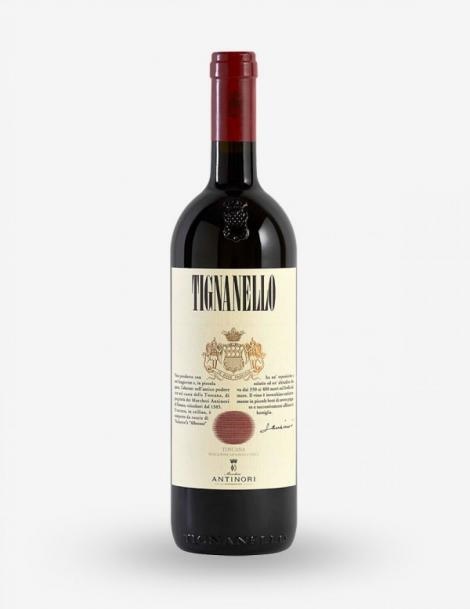
TOSCANA ROSSO IGT 2008 TIGNANELLO LT 0,750
TOSCANA ROSSO IGT 2008 TIGNANELLO LT 0,750
€ 400,00
Code
ANTINORI78
Alternative Code:
8001935124504
Goods Category:
Tuscany
Unit of Measurement:
NR
Vintage:
2008
Producer:
ANTINORI
Grape variety:
80% Sangiovese, 5% Cabernet Franc,15% Cabernet Sauvignon
-
PRODUCT INFORMATION
Classification:
Toscana IGT
Blend:
80% Sangiovese, 15% Cabernet Sauvignon, 5% Cabernet
Franc
Climate:
The autumn and subsequent winter were characterized,
in the Chianti Classico area, by abundant rainfall and
cold temperatures; especially in the final part of the year,
snowfalls occurred, which continued
frequently until the first half of March. This
climate trend favored an excellent vegetative rest period for the
vines, which sprouted significantly later than the average for vintages,
also due to spring rainfall. The months of April,
May, and June, crucial for the development and growth of the
plants, were characterized by high rainfall
accompanied by lower-than-average temperatures, so much so
as to cause a general delay in the vine cycle
for all cultivated varieties. The true summer climate did not
begin until July, which, with high
temperatures and absolutely dry weather,
contributed to excellent bunch development and a marked
recovery of the vegetative cycle. In the last days of July and
the first half of August, the weather conditions
changed, with rather low temperatures and three rainy
events that once again slowed the veraison process.
The seasonal trend required careful grape
selection, aimed at limiting production per
vine and, above all, maintaining the health of the bunches.
Harvesting operations began in
September, a month in which hot,
windy, and sunny days alternated with some rainy periods,
sometimes even intense, but always followed by strong northerly
winds that quickly dried out the grapes and the
microclimate of the vineyards. The cool nights and
still warm days allowed the varieties to develop
phenolic ripeness. From the moment the grapes arrived at the
cellar and during the first stages of vinification, we could
appreciate the health of the bunches, the great
color and aromas, and a very pronounced varietal typicity.
All these factors portend a harvest
of good quality.
Winery:
The particularly cool and frequently rainy season required significant selection work,
both during the growing season and during the harvest; the grapes were
harvested by hand and separately by variety, depending on the different variables related to
soil conditions, the differences in altitude of the plots, and the different levels of ripeness.
Cabernet Franc, the first variety to ripen, was harvested between September 25th and 28th, while
the first Sangiovese bunches were not picked before September 30th. Finally, the Cabernet
Sauvignon was harvested between October 4th and 12th.
Upon arrival at the winery, the grapes were sorted to eliminate any unripe berries,
then destemmed and gently pressed. During fermentation and
maceration in the truncated tanks, the must slowly transformed into wine, with attention
to the freshness of the aromas, the extraction of color, and the management of the tannins aimed at sweetness and
elegance; all this requires great sensitivity, knowledge of the grapes, and constant
care of the product, which is racked only after careful, daily tastings.
Once the skins and wine were separated, malolactic fermentation began, which, in barriques,
enhanced the wine's finesse and pleasantness. The maturation process then began,
lasting approximately 12-14 months; during this period, the various lots fermented and matured
separately, according to the different varieties and parcels, in French and Hungarian oak barrels,
some new and some new.
Then, a few months before bottling, the lots were assembled for the final blend.
Historical data:
Tignanello is produced exclusively from the vineyard of the same name, located on a 57-hectare plot
facing southwest, of limestone origin with tuff elements, at an altitude between 350 and 400 meters
above sea level at the Tignanello Estate. It was the first Sangiovese to be aged in barrique, the
first modern red wine blended with non-traditional varieties, such as Cabernet, and among the first
red wines in Chianti not to use white grapes. Tignanello, originally "Chianti Classico Riserva
vigneto Tignanello," was vinified for the first time from a single vineyard in the 1970 vintage,
when it contained 20% Canaiolo and 5% Trebbiano and Malvasia, and was aged in small
oak barrels. With the 1971 vintage, it became a Tuscan table wine and was called Tignanello.
With the 1975 vintage, the white grapes were completely eliminated. Since 1982, the composition has
remained the same as today. Tignanello is produced only in the best years.
Toscana IGT
Blend:
80% Sangiovese, 15% Cabernet Sauvignon, 5% Cabernet
Franc
Climate:
The autumn and subsequent winter were characterized,
in the Chianti Classico area, by abundant rainfall and
cold temperatures; especially in the final part of the year,
snowfalls occurred, which continued
frequently until the first half of March. This
climate trend favored an excellent vegetative rest period for the
vines, which sprouted significantly later than the average for vintages,
also due to spring rainfall. The months of April,
May, and June, crucial for the development and growth of the
plants, were characterized by high rainfall
accompanied by lower-than-average temperatures, so much so
as to cause a general delay in the vine cycle
for all cultivated varieties. The true summer climate did not
begin until July, which, with high
temperatures and absolutely dry weather,
contributed to excellent bunch development and a marked
recovery of the vegetative cycle. In the last days of July and
the first half of August, the weather conditions
changed, with rather low temperatures and three rainy
events that once again slowed the veraison process.
The seasonal trend required careful grape
selection, aimed at limiting production per
vine and, above all, maintaining the health of the bunches.
Harvesting operations began in
September, a month in which hot,
windy, and sunny days alternated with some rainy periods,
sometimes even intense, but always followed by strong northerly
winds that quickly dried out the grapes and the
microclimate of the vineyards. The cool nights and
still warm days allowed the varieties to develop
phenolic ripeness. From the moment the grapes arrived at the
cellar and during the first stages of vinification, we could
appreciate the health of the bunches, the great
color and aromas, and a very pronounced varietal typicity.
All these factors portend a harvest
of good quality.
Winery:
The particularly cool and frequently rainy season required significant selection work,
both during the growing season and during the harvest; the grapes were
harvested by hand and separately by variety, depending on the different variables related to
soil conditions, the differences in altitude of the plots, and the different levels of ripeness.
Cabernet Franc, the first variety to ripen, was harvested between September 25th and 28th, while
the first Sangiovese bunches were not picked before September 30th. Finally, the Cabernet
Sauvignon was harvested between October 4th and 12th.
Upon arrival at the winery, the grapes were sorted to eliminate any unripe berries,
then destemmed and gently pressed. During fermentation and
maceration in the truncated tanks, the must slowly transformed into wine, with attention
to the freshness of the aromas, the extraction of color, and the management of the tannins aimed at sweetness and
elegance; all this requires great sensitivity, knowledge of the grapes, and constant
care of the product, which is racked only after careful, daily tastings.
Once the skins and wine were separated, malolactic fermentation began, which, in barriques,
enhanced the wine's finesse and pleasantness. The maturation process then began,
lasting approximately 12-14 months; during this period, the various lots fermented and matured
separately, according to the different varieties and parcels, in French and Hungarian oak barrels,
some new and some new.
Then, a few months before bottling, the lots were assembled for the final blend.
Historical data:
Tignanello is produced exclusively from the vineyard of the same name, located on a 57-hectare plot
facing southwest, of limestone origin with tuff elements, at an altitude between 350 and 400 meters
above sea level at the Tignanello Estate. It was the first Sangiovese to be aged in barrique, the
first modern red wine blended with non-traditional varieties, such as Cabernet, and among the first
red wines in Chianti not to use white grapes. Tignanello, originally "Chianti Classico Riserva
vigneto Tignanello," was vinified for the first time from a single vineyard in the 1970 vintage,
when it contained 20% Canaiolo and 5% Trebbiano and Malvasia, and was aged in small
oak barrels. With the 1971 vintage, it became a Tuscan table wine and was called Tignanello.
With the 1975 vintage, the white grapes were completely eliminated. Since 1982, the composition has
remained the same as today. Tignanello is produced only in the best years.
REVIEW THE PRODUCT
Login to read the reviews and write your own -- Proceed to LOGIN
RECENTLY VIEWED


