


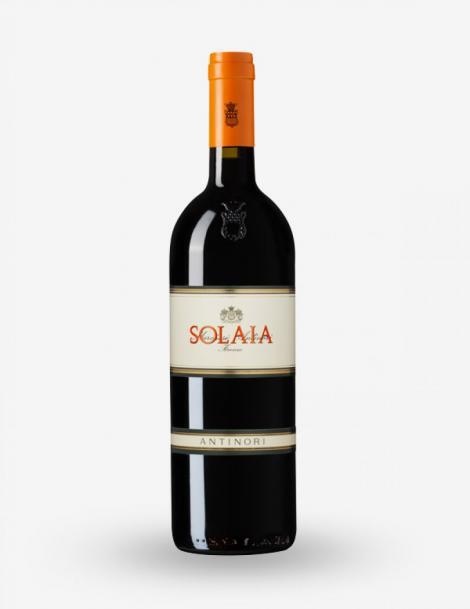
TOSCANA ROSSO IGT 2012 SOLAIA ANTINORI LT 0,750
TOSCANA ROSSO IGT 2012 SOLAIA ANTINORI LT 0,750
€ 495,00
Code
ANTINORI4
Alternative Code:
8880000658980
Goods Category:
Tuscany
Unit of Measurement:
NR
Vintage:
2012
Producer:
ANTINORI
Grape variety:
75% Cabernet Sauvignon, 20% Sangiovese, 5% Cabernet Franc.
-
PRODUCT INFORMATION
Classification:
Toscana IGT
Blend:
75% Cabernet Sauvignon, 20% Sangiovese, 5% Cabernet
Franc
Climate:
The season was characterized by a mild and pleasant autumn,
with average temperatures and little rainfall. Winter was cold with adequate rainfall for the time of year.
Spring began with rather dry and cool weather, so much so that the important stages of
budding and especially flowering occurred
slightly later than the average of previous years.
April and May, on the other hand,
guaranteed good rainfall, which was crucial for coping with the long summer drought that,
starting in June and continuing through August,
affected the development of the plants, both in the
canopy structure and in the size and weight of the bunches. The long-awaited
rains in the last days of August were
fundamental in rebalancing the vines, allowing
all varieties to continue their regular ripening processes. The months of September and October, both
mild and quite rainy, allowed the grapes to
evolve in both sugar, aromatic, and phenolic ripening. Harvesting took place between
September 25th and October 10th, requiring careful and
precise manual selection of the bunches during the
harvest in the vineyard and of the berries along the sorting tables
before pressing.
Page 1 of 2
Solaia / 2012
Vinification:
The climatic conditions of 2012 required significant and careful selection work, both
during the growing season and during the harvest; The grapes at Solaia are harvested
exclusively by hand and separately by variety, but also based on the many different
variables related to the terroir, and therefore to the soil conditions, the differences in altitude of the
plots, and the different expressions related to ripening. Upon arrival at the winery, the grapes are
delicately destemmed, and the berries, before being pressed, are carefully selected on the
sorting table. Here, attention to detail is paramount; it is essential that only perfect berries enter the
60-hl truncated cone-shaped vinification tank. During fermentation and maceration, the
musts slowly transform into wine; in a vintage like this, extreme care is needed to
maintain freshness and aromas, without neglecting color extraction and tannin management aimed at sweetness and elegance. All this requires great sensitivity,
knowledge of the grapes, and constant attention to the product, which is racked only after
careful, daily tastings. Once the skins and wine are separated, malolactic fermentation begins,
which, in barriques, enhances the wine's finesse and pleasantness. The aging process then begins,
lasting approximately 18 months in new French oak barrels. During this period,
the different lots, vinified separately based on the varietal and viticultural variables,
are aged in wood, and then blended a few months before bottling, which takes place
on the estate.
Historical data:
Solaia is a vineyard of approximately 20 hectares with a southwest exposure, between 350 and 400 meters above sea level, on a
rocky calcareous soil with alberese and galestro rock, located at Tenuta Tignanello. Marchesi
Antinori produced this wine for the first time with the 1978 vintage; The initial blend was 80%
Cabernet Sauvignon and 20% Cabernet Franc, a process repeated in 1979. In subsequent vintages,
20% Sangiovese was introduced, and some adjustments were made to the ratio of
Cabernet Sauvignon and Cabernet Franc, leading to the current blend. Solaia is produced
only in exceptional vintages and was not produced in 1980, 1981, 1983, 1984, and 1992.
Tasting notes:
Intense ruby ??red in color with purple highlights, the varietal notes dominate the nose, with excellent
freshness and fine intensity. Solaia 2012 has a classic style and is characterized on the palate by
a pleasant harmony, composed of a perfect balance of acidity and tannins and an excellent
enjoyability of the fruit throughout the tasting. The great personality and long
aftertaste make the finish absolutely complex and persistent.
Toscana IGT
Blend:
75% Cabernet Sauvignon, 20% Sangiovese, 5% Cabernet
Franc
Climate:
The season was characterized by a mild and pleasant autumn,
with average temperatures and little rainfall. Winter was cold with adequate rainfall for the time of year.
Spring began with rather dry and cool weather, so much so that the important stages of
budding and especially flowering occurred
slightly later than the average of previous years.
April and May, on the other hand,
guaranteed good rainfall, which was crucial for coping with the long summer drought that,
starting in June and continuing through August,
affected the development of the plants, both in the
canopy structure and in the size and weight of the bunches. The long-awaited
rains in the last days of August were
fundamental in rebalancing the vines, allowing
all varieties to continue their regular ripening processes. The months of September and October, both
mild and quite rainy, allowed the grapes to
evolve in both sugar, aromatic, and phenolic ripening. Harvesting took place between
September 25th and October 10th, requiring careful and
precise manual selection of the bunches during the
harvest in the vineyard and of the berries along the sorting tables
before pressing.
Page 1 of 2
Solaia / 2012
Vinification:
The climatic conditions of 2012 required significant and careful selection work, both
during the growing season and during the harvest; The grapes at Solaia are harvested
exclusively by hand and separately by variety, but also based on the many different
variables related to the terroir, and therefore to the soil conditions, the differences in altitude of the
plots, and the different expressions related to ripening. Upon arrival at the winery, the grapes are
delicately destemmed, and the berries, before being pressed, are carefully selected on the
sorting table. Here, attention to detail is paramount; it is essential that only perfect berries enter the
60-hl truncated cone-shaped vinification tank. During fermentation and maceration, the
musts slowly transform into wine; in a vintage like this, extreme care is needed to
maintain freshness and aromas, without neglecting color extraction and tannin management aimed at sweetness and elegance. All this requires great sensitivity,
knowledge of the grapes, and constant attention to the product, which is racked only after
careful, daily tastings. Once the skins and wine are separated, malolactic fermentation begins,
which, in barriques, enhances the wine's finesse and pleasantness. The aging process then begins,
lasting approximately 18 months in new French oak barrels. During this period,
the different lots, vinified separately based on the varietal and viticultural variables,
are aged in wood, and then blended a few months before bottling, which takes place
on the estate.
Historical data:
Solaia is a vineyard of approximately 20 hectares with a southwest exposure, between 350 and 400 meters above sea level, on a
rocky calcareous soil with alberese and galestro rock, located at Tenuta Tignanello. Marchesi
Antinori produced this wine for the first time with the 1978 vintage; The initial blend was 80%
Cabernet Sauvignon and 20% Cabernet Franc, a process repeated in 1979. In subsequent vintages,
20% Sangiovese was introduced, and some adjustments were made to the ratio of
Cabernet Sauvignon and Cabernet Franc, leading to the current blend. Solaia is produced
only in exceptional vintages and was not produced in 1980, 1981, 1983, 1984, and 1992.
Tasting notes:
Intense ruby ??red in color with purple highlights, the varietal notes dominate the nose, with excellent
freshness and fine intensity. Solaia 2012 has a classic style and is characterized on the palate by
a pleasant harmony, composed of a perfect balance of acidity and tannins and an excellent
enjoyability of the fruit throughout the tasting. The great personality and long
aftertaste make the finish absolutely complex and persistent.
REVIEW THE PRODUCT
Login to read the reviews and write your own -- Proceed to LOGIN
RECENTLY VIEWED


